
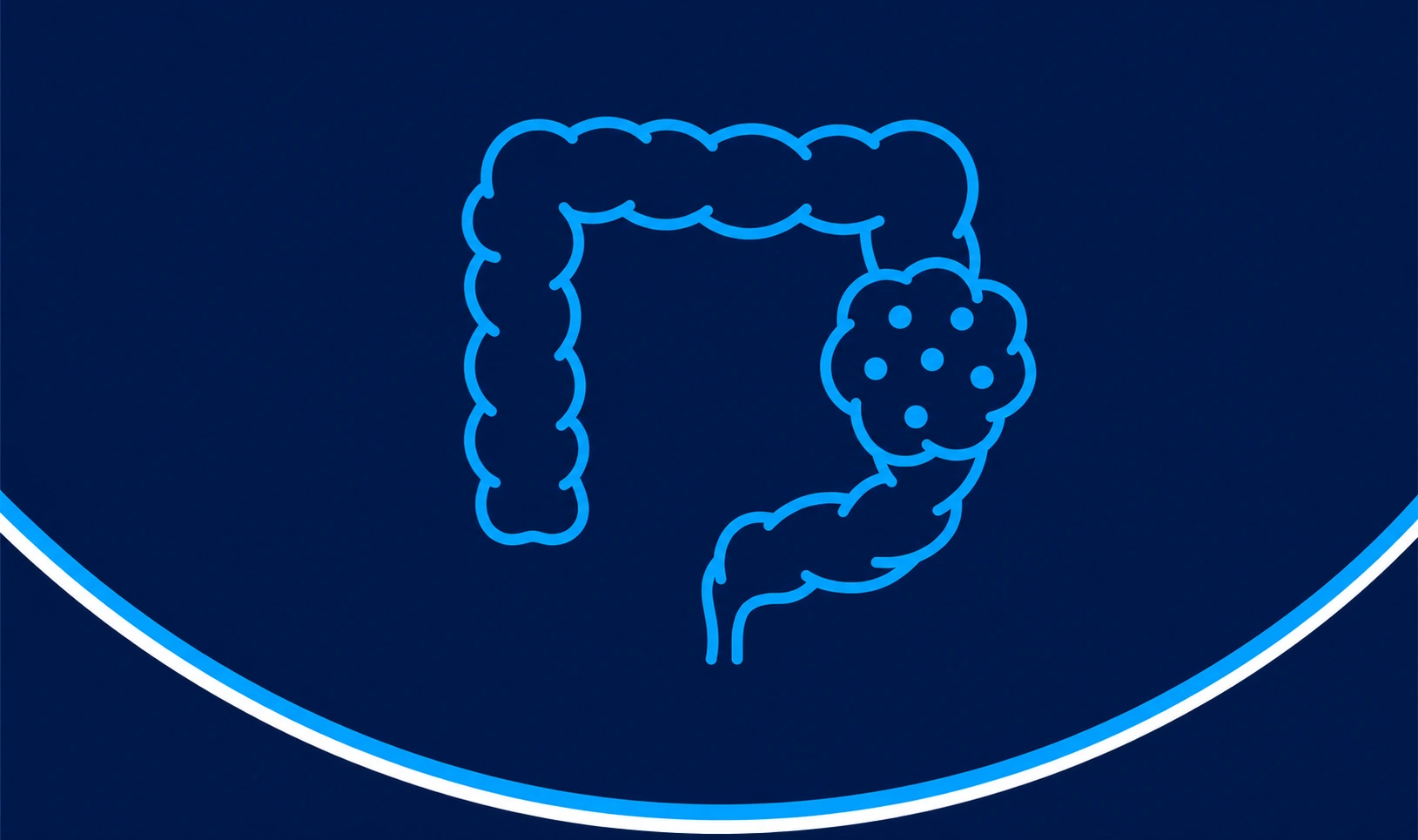
Colorectal Cancer
Colorectal cancer is a type of cancer that begins in the colon or rectum, and is commonly referred to as colon cancer or rectal cancer, depending on its site of origin. It typically begins as a growth of polyps on the inner lining of the colon or rectum. Most polyps are benign (noncancerous), but certain types have the potential to develop into cancer over time.
Types of Colorectal Cancer
Polyps are classified by their potential to become cancerous, as follows
Adenomatous polyps (adenomas):
Precancerous, can change into cancer
Hyperplastic polyps and inflammatory polyps:
Common, not precancerous.
Sessile serrated polyps (SSP) and traditional serrated adenomas (TSA):
Similar to adenomas due to their higher risk of converting into cancer.
Colorectal Cancer Risk Factors
Several factors include
- Overweight or obese
- Diabetes mellitus, Type 2
- Lack of regular physical activity.
- A fiber-poor diet and lots of fats or processed foods.
- Tobacco Smoking for a long time and moderate to heavy alcohol use
- Age (common after age 50)
- Sex (males are at a higher risk than women)
- Cholecystectomy (Removal of gall bladder)
- Personal history and family history of colorectal polyps or inflammatory bowel disease
Symptoms of Colorectal Cancer
Colorectal cancer often doesn't cause symptoms in its early stages. However, when symptoms appear, they include
- Alteration in bowel habits.
- Blood in stool
- Diarrhea, constipation, or incomplete bowel emptying
- Weight loss
- Frequent gas pains, bloating, fullness, or cramps
- Narrow stool (different than usual)